Regulation-compliant animal traceability, livestock and crop management in extreme outdoor environments.
18+years of RFID experience
30+farms and livestock operations served
IP68resistance to UV, mud and moisture
Challenges we understand
Operational challenges in your industry
Mandatory animal traceability
Regulations require unique livestock identification. Unreliable systems generate non-compliance and fines.
Tags destroyed by outdoor conditions
UV, mud, impacts and water degrade consumer tags within months. Field applications require purpose-built products.
Difficult organic certification documentation
Organic, PDO and PGI chains require full traceability. Without reliable data the certification is at risk.
Table of contents
RFID tags for livestock and agriculture: regulatory obligations, smart farming and supply chain traceability
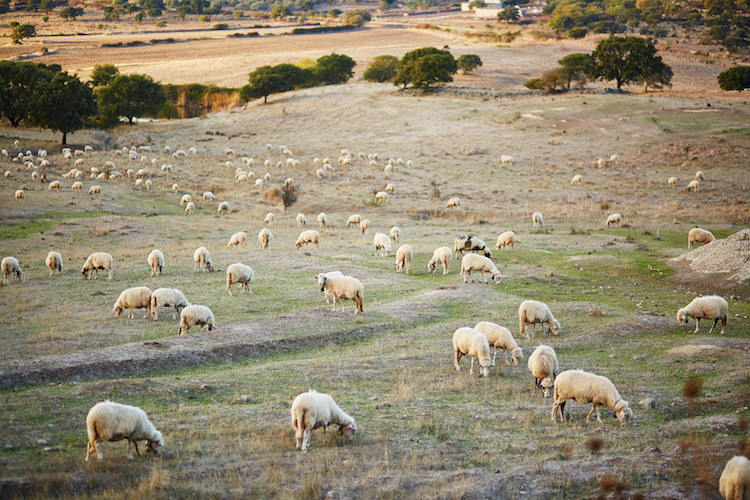
In livestock farming, electronic animal identification is not optional: EU Regulation 2016/429 (Animal Health) and national supply chain regulations require unique registration of cattle, sheep, goats and pigs in the national livestock registry. In agriculture, PDO, PGI and organic certifications (EU Reg. 848/2018) require documented traceability from production to distribution, verifiable at audit.
The RFID tag must function in conditions no controlled environment replicates: mud, UV, rain, impacts from intensive farming, temperatures from −20°C to +60°C. Wintag manufactures IP68 outdoor RFID tags designed to survive real field use — not just laboratory tests. These are the same tags integrated into precision agriculture and smart farming projects, where automatic field data collection is the starting point for any agronomic analysis.
Our customers in this sector include livestock farmers, agricultural enterprises and cooperatives that must fulfil regulatory identification obligations, suppliers of livestock and supply chain traceability management software, and precision agriculture system integrators looking for a reliable outdoor tag to include in their solution.
Animal identification: regulatory obligations and livestock registry integration
EU Reg. 2016/429: mandatory identification of cattle, sheep, goats and pigs
The European animal health regulation requires unique registration of livestock in the national animal registry. The RFID ear tag (or rumen bolus for cattle) is the physical carrier of this identification: it must be readable for the entire life of the animal, withstand intensive farming conditions and carry the data structure compliant with national and regional registry systems.
Traceability from farm to slaughter: data always available
Every animal movement — between farms, to the abattoir, for export — is registered in the registry system via the RFID tag's unique code. Data is available in real time for veterinary authorities and for mandatory supply chain documentation. In the event of a health alert, electronic identification enables movement tracking with precision and speed impossible with visual marking alone.
RFID in livestock operational management and precision agriculture
Robotic milking and individual feeding
In automatic milking systems (AMS), the RFID tag identifies each animal at the moment of entry to the milking station. The robot automatically adjusts milking parameters based on the animal's production history. The same principle applies to individual feeding stations: each animal receives the correct ration calculated by the livestock management software, with automatic consumption recording.
Health monitoring and reproductive management
Integrated with activity sensors and smart collars, the RFID tag enables detection of behavioural variations associated with pathological states or oestrus. Early veterinary interventions reduce mortality, improve reproductive performance and cut herd health costs. The log of veterinary interventions is associated with the animal's RFID identifier and available for official inspections.
Precision agriculture and smart farming
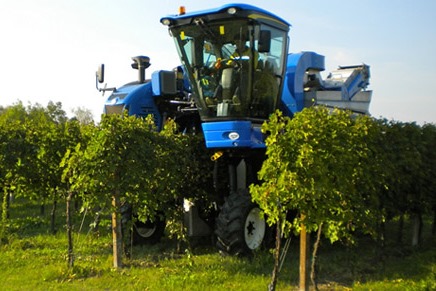
In precision agriculture projects, RFID tags are applied to harvest crates, bins and agricultural equipment to automatically collect field data: which operator harvested, in which plot, at what time, with what yield. This data, integrated with GIS maps and satellite data, feeds agronomic management systems and supports documentation for subsidy scheme controls.
PDO, PGI and organic supply chain traceability: from field to certification body
Lot always associated with the source plot
RFID tags on harvest crates, pallets, bins and collection containers enable association of every lot with the source plot, harvest date, operator and vehicle. Data feeds the traceability system required for PDO, PGI and organic certifications (EU Reg. 848/2018) without additional manual records: every movement is an automatically recorded and auditable event.
Viticulture: from harvest to winery
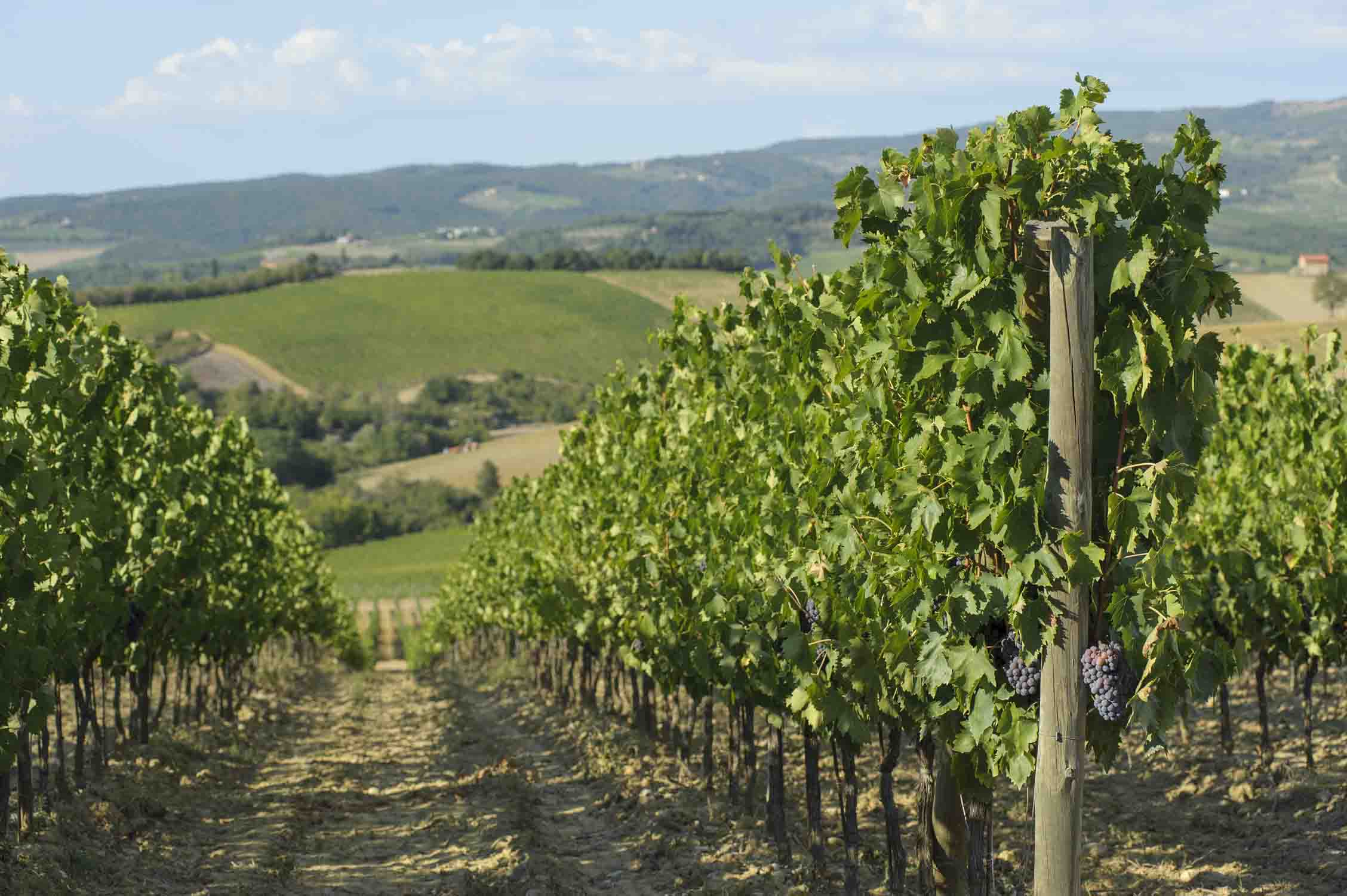
In viticulture, RFID tags on harvest crates and fermentation tanks enable linking each grape lot to the source vineyard — fundamental for DOC and DOCG appellations requiring plot-level traceability. Field data automatically enters the winery management software at delivery, without re-entry. The same approach applies to PDO olive oil, organic cereal production and PGI horticultural supply chains.
Integration with agricultural management software
RFID data integrates with major agricultural management platforms and simplifies mandatory documentation for inspection controls and annual certification renewals. Automatic traceability reduces audit preparation time and lowers the risk of disputes over incomplete documentation.
IP68 tags for outdoor use: the technical requirements the field imposes
Conditions no controlled environment replicates
An agricultural tag does not work in a warehouse: it works on an animal's skin, on a harvest container exposed to sun for years, on equipment passing through mud and dust. Requirements are non-negotiable and must be verified before series supply:
IP68 waterproofing: extended immersion in water and mud without inlay function loss. Minimum standard for any tag intended for open-field use.
Continuous UV resistance (5–10 years): standard polymers become brittle in 12–18 months of solar exposure. Wintag uses UV-stabilised substrates for the entire tag operational life, verified with accelerated ageing tests.
Thermal range −20°C / +60°C: from winter nights in open stalls to summer peaks in the field and in greenhouses.
Impact and mechanical stress resistance: an ear tag endures traction, bending and continuous impacts for years. The inlay must remain intact and readable after hundreds of mechanical stress cycles.
Non-toxic materials for veterinary use: substrates and adhesives compliant with EU veterinary regulations, without harmful substances for the animal in case of prolonged skin contact.
Frequencies and standards for agriculture
Tags for mandatory animal identification use LF frequency (125–134 kHz) with ISO 11784/11785 standard, compatible with RFID ear tag readers approved for national livestock registries. For supply chain traceability on crates and containers, UHF (EPC Gen2) or HF/NFC tags are used, with gate reading or handheld reader, based on the customer's infrastructure.
Are you an agricultural cooperative, a certification body or a livestock software provider?
RFID adoption in agriculture and livestock often passes through intermediaries: cooperatives coordinating adoption among their members, PDO/PGI/organic certification consultants who must validate the technical solution, and livestock management or supply chain traceability software providers who must integrate the tag into their platform.
Coordinated supplies for cooperatives and consortia: we manage centralised orders for livestock farming cooperatives and agricultural cooperatives, with tags already encoded according to the numbering plan defined by the cooperative or protection consortium.
Documentation for PDO/PGI/organic certification bodies: we provide material technical documentation (non-toxicity, EU veterinary regulation compliance, EU Reg. 848/2018 for organics) in the format required for certification files and control body audits.
Integration with livestock and agricultural management software: encoding configured for compatibility with major farm management systems, national livestock registries and supply chain traceability platforms.
Smart farming project support: for system integrators developing precision agriculture solutions, we supply validated outdoor tags for field conditions, with encoding configured for agronomic data collection systems.
Samples for qualification before scale adoption: prototype tags to test on the animal, specific container or field environment before starting series supply for the entire herd or cooperative.
How Wintag works in agriculture and livestock
Before proposing a product, Wintag analyses the specific application: animal or container type, fixing method, thermal range of the geographic context, UV and weather exposure, planned reading system (handheld LF/UHF, portal, NFC smartphone) and destination management system. Only then is the right tag defined.
LF tags (ISO 11784/11785) for livestock registry: ear tags and rumen boluses compliant with national registry requirements for cattle, sheep, goats and pigs.
IP68 UHF tags for supply chain traceability: on crates, bins and harvest containers, readable at portal or with handheld reader for automatic agricultural management system data entry.
Verified outdoor resistance for the specific context: UV stabilisation, thermal range and IP68 waterproofing tested for the customer's real conditions, not laboratory standards.
Encoding for livestock registry and management software: data structure compliant with regional registry requirements and the customer's supply chain traceability systems.
Materials verified for veterinary use: non-toxicity documentation available for veterinary authorities and certification audit bodies.
Samples for real-condition testing: prototype tags to verify in the field — on the animal, container or specific agricultural environment — before the series order.
Frequently asked questions about RFID tags for livestock and agriculture
Which RFID tag complies with the mandatory cattle identification required by EU Reg. 2016/429?
EU Reg. 2016/429 and its national implementing regulations provide for marking with electronic rumen bolus (LF transponder ISO 11784/11785) or electronic ear tag. Wintag manufactures both types with data structure compliant with national registry requirements. Contact us to verify compliance with your regional registry system.
Do outdoor RFID tags for field use resist UV for years?
Standard tags become brittle in 12–18 months of continuous solar exposure. Wintag uses UV-stabilised polymer substrates with accelerated ageing tests, formulated to resist freeze/heat cycles for the entire tag operational life (5–10 years under outdoor conditions). For ear tags, materials are also selected for mechanical flexibility under the continuous stresses typical of a moving animal.
Are RFID tags for PDO and PGI supply chains integrable with subsidy scheme management software?
Yes. Tag encoding is configured in agreement with the data structure of the agricultural management software or integrated management and control system already in use. Wintag does not produce the software, but defines the tag structure together with the destination system provider to guarantee immediate integration. Data automatically collected by RFID tags in the field simplifies documentation for inspection controls and annual supply chain certification renewals.
Working on a project in the Agriculture & Livestock sector?
Tell us about your requirements. A Wintag engineer will get back to you within 24 hours with a concrete assessment.


 Italiano
 Français
 Español
 Deutsch